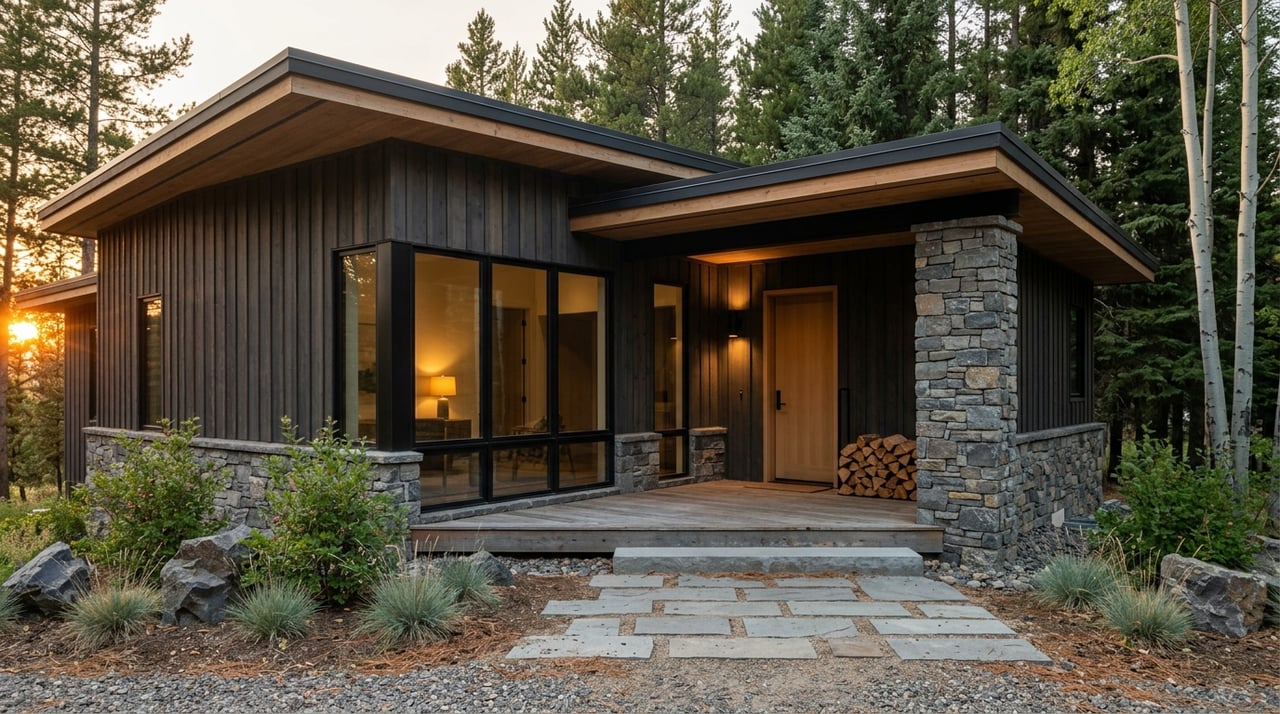
Choosing a West Yellowstone vs Big Sky Home for Your Second Residence
If you are choosing between West Yellowstone and Big Sky for a second home, the right answer usually comes down to one simple question: do you want to be closest to Yellowstone, or closest to a full ski resort lifestyle? Both places put you near remarkable outdoor access, but they serve very different day-to-day ownership goals. This guide will help you compare location, winter recreation, summer rhythm, and price so you can decide which fit feels more natural for your second-home plans. Let’s dive in.
At a high level, West Yellowstone is the Yellowstone-first option, while Big Sky is the ski-resort-first option. West Yellowstone sits at the edge of Yellowstone National Park’s West Entrance, while Big Sky is a separate mountain community farther north along Highway 191.
That difference matters more than it may seem at first. If your second home is mainly about easy park access, West Yellowstone gives you the most direct base. If you picture your time centered on lift-served skiing, resort amenities, and four-season mountain living, Big Sky usually makes more sense.
For many second-home buyers, proximity to Yellowstone is the deciding factor. According to the National Park Service, the West Entrance is Yellowstone’s busiest entrance, and it sits right on the edge of West Yellowstone.
That makes West Yellowstone the more frictionless choice if you want frequent park days. You can base yourself in a true gateway town rather than driving in from farther north. For buyers who see Yellowstone as the main event, that convenience can shape how often you actually use the home.
Big Sky is not far from the park, but it is one step removed. Visit Big Sky notes that Big Sky is 45 miles north of West Yellowstone, and its own visitor materials place it about an hour from Yellowstone’s West Entrance.
That still works well for day trips. But if you want to wake up and be at the gate quickly, West Yellowstone has the simpler setup.
Winter is especially important to understand before you buy. The National Park Service notes that in winter, most Yellowstone roads are open only to commercially guided snowcoach and snowmobile travel, not regular automobiles.
So if winter park access is part of your plan, West Yellowstone still offers the stronger launch point, but your experience will be tied to guided winter travel rather than standard driving. That is a practical detail worth factoring into how you expect to use the property.
If skiing is your main reason for buying, Big Sky has a very different profile than West Yellowstone. Big Sky Resort reports 5,850 acres of skiable terrain, 4,350 vertical feet, 40 lifts, 320 named runs, and about 400 inches of annual snowfall.
That scale is hard to ignore if you want lift access, varied terrain, and a full mountain resort environment. The resort also reports a 50/50 beginner-to-advanced terrain split, which gives many buyers confidence that guests and family members with different ability levels can all find a fit.
West Yellowstone is strong in winter too, but in a very different way. According to Destination Yellowstone, the town offers more than 50 kilometers of groomed Nordic ski trails and more than 400 miles of groomed snowmobile trails, accessible from the edge of town.
That makes West Yellowstone appealing if your ideal winter looks more like cross-country skiing, snowmobiling, and trail access than chairlifts and resort laps. It is less about the resort scene and more about direct access to winter recreation on the ground.
Summer can be just as important as winter for a second-home buyer. In Big Sky, the warm-weather lifestyle leans broad and resort-centered, with hiking, fly fishing, mountain biking, golf, rafting, ziplining, and Yellowstone day trips highlighted by Big Sky’s visitor information.
The same source also notes that Big Sky has more than 50 restaurants, bars, and eateries plus more than 40 shops. For many buyers, that adds up to a more built-out four-season base with more options close at hand.
West Yellowstone’s summer identity feels more tied to the park and to nearby water-based recreation. Destination Yellowstone highlights boating, kayaking, waterskiing, whitewater rafting, fishing, horseback riding, and the Wild West Yellowstone Rodeo.
The Town of West Yellowstone describes the community as a gateway town that welcomes more than 4 million visitors each year and offers year-round recreation programming. If you enjoy the energy of a park entrance community and plan to spend much of your time outdoors, that rhythm may suit you well.
Big Sky and West Yellowstone do not feel the same from one season to the next. Big Sky’s tourism information says the population rises from about 2,500 year-round residents to roughly 3,000 to 4,000 in summer and winter.
West Yellowstone also sees heavy visitor traffic, but its identity is more closely tied to Yellowstone’s entrance flow and the seasonal pulse that comes with it. In simple terms, Big Sky tends to read more like a four-season resort base, while West Yellowstone feels more like a park gateway with strong seasonal traffic.
Budget plays a major role in this decision. Based on the market snapshot in the research provided, the average home value is $639,008 in West Yellowstone and $1,839,257 in Big Sky, with 14 homes for sale in West Yellowstone versus 115 in Big Sky.
The same research also shows Big Sky with a median list price of $2,700,000. That is a substantial difference, and for many buyers it changes the conversation from preference to practicality.
The current market data in the research points to different ownership patterns in each location. West Yellowstone listings in the report range from about $649,000 to $1,590,000 for houses, with a higher-priced FSBO example and land lots starting around $109,000.
In Big Sky, the research shows a wider spread, from a one-bedroom condo at about $415,000 to homes and condos priced above $10 million and $15 million. That usually means more property types to choose from, but at a meaningfully higher price point overall.
The simplest way to decide is to match the home to your real use pattern, not just your wish list. The more honest you are about how you will spend your time, the easier this choice becomes.
If your second home is really about Yellowstone, West Yellowstone is usually the cleaner match. It puts you right at the park’s busiest entrance and aligns well with buyers who care most about park access, summer recreation, fishing, and winter trail use.
If your second home is really about skiing and resort living, Big Sky is usually the stronger fit. It offers a larger downhill ski environment, a broader four-season base, and more inventory for buyers looking at condos, resort homes, luxury residences, or land.
Neither choice is universally better. The best option is the one that supports how you will actually use the property year after year.
If you are weighing Big Sky against West Yellowstone and want help narrowing the tradeoffs, Ben Coleman offers thoughtful, local guidance shaped by years of experience helping buyers understand how place, lifestyle, and property fit together.
Stay up to date on the latest real estate trends.


Ben's knowledge of the Big Sky market and relationships built over time with the real estate community helps in every step of the process. Contact him today to discuss all your real estate needs!