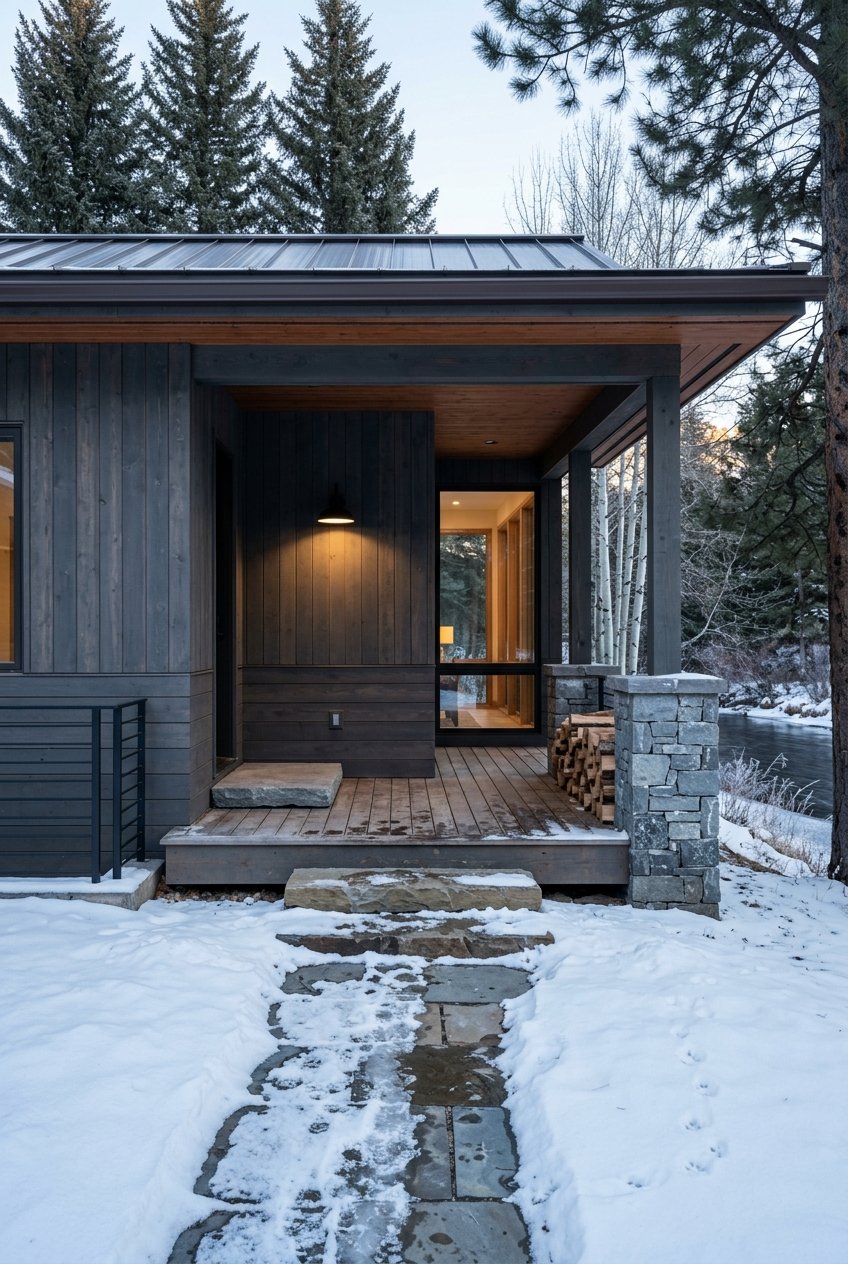
Gallatin Canyon Homes Lifestyle: A Buyer’s Guide
If you picture Gallatin Canyon as a quaint little town, you may be surprised by what it really feels like to live here. This is more of a mountain corridor shaped by the Gallatin River, steep forested slopes, and the daily rhythm of Highway 191 than a single, uniform community. If you are thinking about buying in the area, understanding that difference can help you decide whether the canyon fits your lifestyle. Let’s dive in.
Gallatin Canyon in ZIP code 59730 is best understood as a long mountain corridor rather than a traditional town center. Gallatin County planning materials describe it as rugged, heavily forested, and defined by the river, with residential areas lining US-191 and nearby drainages.
That matters because daily life here can feel very different depending on where you are in the canyon. The county notes that topography creates separate identities across the district, so the area reads more like a series of pockets than one neighborhood with a single feel.
The setting is one of the biggest reasons people are drawn to Gallatin Canyon. Steep, timbered slopes rise on both sides, and the Gallatin River runs through the heart of the corridor.
That landscape brings beauty, but it also shapes how homes, roads, and recreation are laid out. Development tends to follow the highway and adjacent drainages, so access, privacy, and density can vary from one part of the canyon to another.
In practical terms, you are not choosing only a home here. You are also choosing a specific pocket of the canyon, with its own relationship to the river, the road, nearby trails, and Big Sky.
The Gallatin River is the anchor of the canyon. Montana Fish, Wildlife & Parks says the river flows about 44 miles through the narrow canyon before entering the Gallatin Valley, and much of it is on public land.
It is also classified as a blue-ribbon trout stream, which gives the river an outsized role in how the area feels day to day. Even if you are not an angler, the river is part of the soundscape, the scenery, and the identity of the canyon.
There is one important seasonal note to know. The canyon reach is closed to angling from December 1 to the third Saturday in May to support wintering wildlife, so river use changes with the season.
One of the most distinctive things about living near Gallatin Canyon is how closely trails connect to everyday movement and recreation. This is not just a place for occasional weekend outings. In several areas, trail access is part of the normal rhythm of being here.
The Gallatin Canyon Trail gives the corridor a more connected feel. It is a paved, nearly flat 5-mile round trip trail that parallels Highway 191 and connects the Big Sky Conoco area to Ophir School.
It also links into Lone Peak Trail and Mud Creek Trail, which helps tie together different parts of the broader area. The catch is that it is closed and not maintained in winter, so its role changes depending on the time of year.
Lone Peak Trail is another strong example of how recreation and routine life overlap here. It is paved, maintained in winter, and connects Meadow Village to the canyon.
That makes it more than just a scenic route. It functions as part of the way people can move between Big Sky and the canyon environment in multiple seasons.
Ousel Falls Trail is one of the best-known nearby trail experiences. It is open year-round, but conditions can change significantly in winter, when ice is common and traction gear or snowshoes may be recommended.
In early summer, runoff makes the falls especially powerful, which gives the trail a different feel than it has in colder months. It also offers fishing access and a close connection to the river landscape that defines this area.
If you like variety, nearby trailheads offer very different experiences:
For buyers, this means outdoor access is a real part of the lifestyle, but it is not the same in every season or at every trailhead.
Living in Gallatin Canyon also means understanding US-191. It is the main corridor through the canyon, and in many ways it is the road that organizes everyday life.
Whether you are heading toward Big Sky, Gallatin Gateway, or trailheads along the corridor, your routine often depends on road conditions, traffic flow, and weather. That is simply part of mountain living here.
Montana Department of Transportation says its winter road-reporting season runs from November through April, with conditions updated at least twice a day during that period. MDT advises drivers to slow down and drive for winter conditions, which is especially relevant in a corridor where weather can shift quickly.
In Gallatin Canyon, wildlife is not just part of the scenery. MDT identifies the mouth of Gallatin Canyon and the area north of Big Sky as wildlife-crossing priority areas because of the risk of wildlife-vehicle collisions.
That means driving here calls for attention in every season, not only during storms. For many residents, that becomes second nature, but it is an important part of the day-to-day reality for anyone considering the area.
Gallatin Canyon changes meaningfully through the year. If you are thinking about living here, it helps to picture not just a summer visit or a snowy weekend, but the full seasonal cycle.
Winter is when the tradeoffs become most visible. Road conditions matter more, some trails remain usable, others close, and higher-access areas can become difficult or unreachable by standard vehicle.
This is also when the canyon’s river regulations shift, with the canyon reach closed to angling from December 1 to the third Saturday in May. For many people, winter is still a major draw, but it rewards preparation and flexibility.
Spring is runoff season, and it often feels energetic and unsettled. Trails can be wet or icy, and Ousel Falls becomes more forceful as temperatures rise and snow begins to melt.
Driving still requires caution during this shoulder season because conditions can change quickly. Spring can be beautiful, but it is not always predictable.
Summer is when the canyon’s river-and-trail identity is easiest to experience. Trails are more accessible, the river becomes a central visual feature, and the broader recreation corridor is in full use.
This is often the season when people most clearly see the lifestyle appeal of living here. Public land access, nearby trails, and proximity to Big Sky all come together in a very tangible way.
Fall often feels like the most balanced season. It tends to be cooler and quieter, while still offering trail access before winter closures and snow begin to affect higher routes.
At the same time, access starts becoming more condition-dependent as temperatures drop. For many buyers, that shoulder-season rhythm is an important part of the canyon’s appeal.
Gallatin Canyon offers a very specific lifestyle. The upside is immediate access to the Gallatin River, a strong public-lands backdrop, a dense trail network nearby, and convenient proximity to Big Sky.
The tradeoff is that weather, wildlife, and road conditions are part of daily decision-making. Access can also change by season, especially at higher trailheads and winter-prone routes.
For some buyers, that is exactly the point. If you want a place where the landscape strongly shapes everyday life, Gallatin Canyon can feel deeply rewarding.
For others, it helps to compare different pockets of the corridor and nearby Big Sky areas carefully. A home’s exact location can make a real difference in how connected, convenient, or seasonally flexible it feels.
With more than two decades of local experience, Ben Coleman takes a low-pressure, place-first approach to helping buyers understand those nuances. If you want help comparing Gallatin Canyon with nearby Big Sky areas, reach out to Ben Coleman for a personal market consultation.
Stay up to date on the latest real estate trends.


Ben's knowledge of the Big Sky market and relationships built over time with the real estate community helps in every step of the process. Contact him today to discuss all your real estate needs!