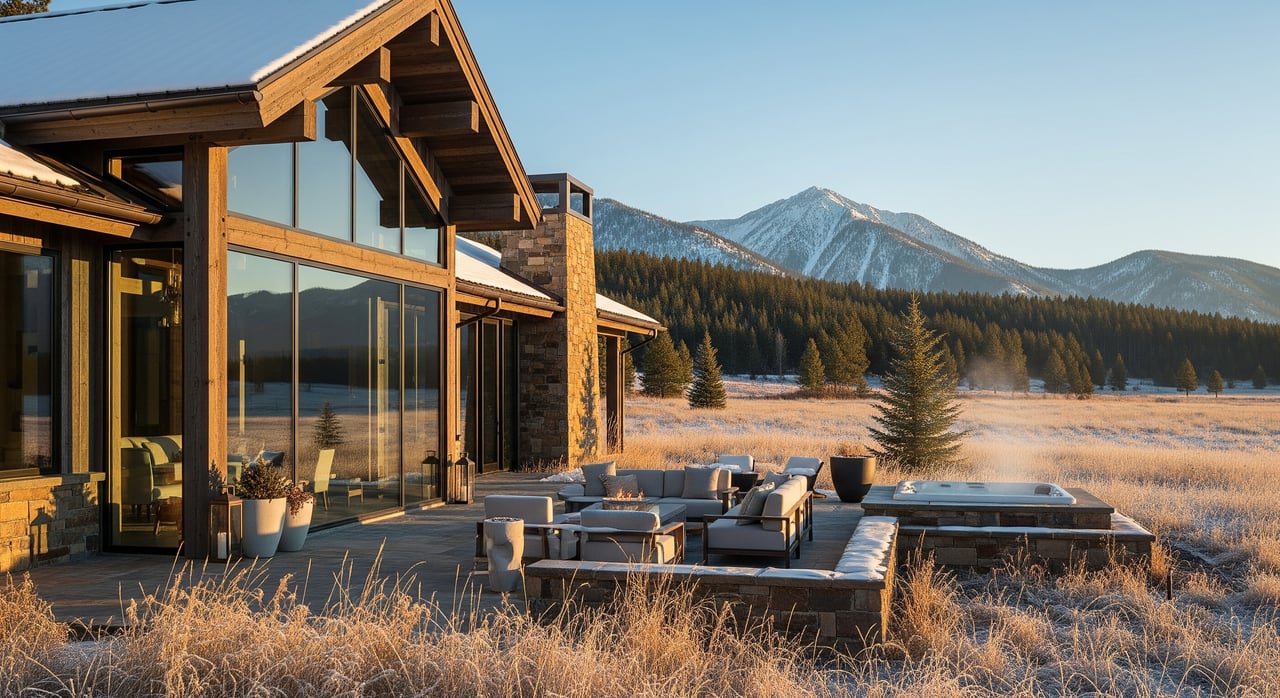
West Yellowstone Real Estate Seasonality and Demand
In West Yellowstone, the calendar does more than mark months. It sets the pace for buyer interest and rental income. If you are weighing a second home or an investment property here, the park’s seasonal rhythms are your roadmap. This guide shows you how summer, winter, and the shoulder months shape demand, and how to time your move with confidence. Let’s dive in.
West Yellowstone is a gateway community for Yellowstone National Park. Visitor flows, park access, and recreation options shift with the seasons, and the housing market moves with them. Because many jobs and businesses are seasonal, the town’s peak population far exceeds its year‑round base, which magnifies seasonal effects on listings, buyer activity, and rental performance.
West Yellowstone also plays a unique winter role. When much of the park is closed to wheeled vehicles, the West Entrance serves snowmobile and snowcoach access. That gives the town a winter demand profile that is stronger than many other gateways that rely mostly on summer.
Summer brings the highest park visitation. Families, international travelers, and road‑trippers fill local lodging and businesses. Short‑term rentals see their highest occupancy and rates, and many buyers first discover the area during a summer visit.
Listing activity often increases ahead of summer to capture buyer traffic. Sellers tend to position homes so they are active when in‑person viewings and open houses are most effective. Road access and services operate at full capacity, making it easy to tour neighborhoods and properties.
Winter demand is lower on a park‑wide basis, yet West Yellowstone captures a disproportionate share thanks to snowmobile and snowcoach access. Visitors include snowmobilers, guided winter tour guests, and international travelers seeking a winter experience. For rentals that cater to this niche, winter can deliver strong occupancy with multi‑night bookings and premium rates around holidays.
Winter demand is also more concentrated and weather dependent. Snow conditions and park regulations can shift timelines and volumes. Operating costs rise as well, with snow removal, heating, and winterization needs affecting both owners and managers.
Spring and fall are quieter and more variable. Weather can change quickly and services taper as the park transitions between access modes. Occupancy and nightly rates usually soften, and vacancy windows tend to be longer.
For buyers, these months can offer opportunity. Inventory can be easier to access, and some sellers may be motivated. For renters, stays are often shorter and booked closer to arrival.
Holiday periods can spike demand outside the typical pattern. Thanksgiving, Christmas, and New Year’s often lift winter bookings, while summer holidays bring surges. Weather and park policies have outsized influence here. Late snowpack or early road openings can move the demand curve by several weeks.
Most second‑home decisions start in summer. You visit, fall in love with the area, and move quickly when a good fit appears. That visibility can drive competition, so preparation matters.
Winter is a different lens on the same market. Fewer casual buyers are in town, which can mean more time to assess properties that function well in snow season. Winter visits help you understand practical realities like road clearing, heating, and access.
Short‑term rental income in West Yellowstone typically follows a two‑peak pattern. Summer is the largest revenue block, with a distinct second peak tied to prime winter weeks. Shoulder seasons are the income valleys that separate those peaks.
The best investment models use a blended view of occupancy and average daily rate across the full year. Plan for season‑specific costs that can be material, such as higher winter utilities, snow removal contracts, and more complex winter turnovers. Also factor sensitivity to park policies and snow conditions, which can affect bookings on short notice.
Listings often rise heading into summer to capture the largest buyer pool. Inventory can feel tight in late spring and early summer as demand meets new supply. Off‑season listings in fall and winter may present more room to negotiate because there are fewer active buyers.
If you want the widest selection and on‑the‑ground context, prioritize late spring through mid‑summer tours. If you want leverage and time to evaluate, consider fall or winter when competition can be lighter.
Properties that solve for both summer and winter typically lead the market. The following features can influence value and rental performance:
Seasonal road closures inside the park change how and when visitors arrive. Local highway maintenance schedules also matter for deliveries, fuel, and guest travel. Plan for winter operating costs like heat, snow removal, and increased wear.
Service availability varies with the workforce cycle. In low season some services reduce hours, which can affect turnovers and maintenance timing. Build relationships with reliable local vendors to reduce disruption.
Municipal and county rules can include permits, fees, occupancy limits, and safety standards. Lodging taxes apply in many jurisdictions and can affect net yield. Zoning is also important since some areas may restrict nightly rentals.
Regulations evolve as communities respond to tourism impacts. Before you buy, verify current requirements with the Town of West Yellowstone and Gallatin County, and account for compliance costs in your pro forma.
Mountain winters increase risk for ice, roof loads, and frozen pipes. Insurers may require mitigation steps or charge higher premiums. If you plan to operate as a short‑term rental, confirm that your coverage is appropriate for commercial activity rather than a standard homeowner policy.
Winterization is annual and non‑negotiable. Budget for HVAC service, pipe insulation, and snow removal. Many owners schedule capital projects in spring or early summer when weather windows are more reliable and contractors are accessible.
Peak seasons concentrate wear and tear, which increases turnover and repair frequency. Plan for periodic refreshes to maintain reviews and nightly rates.
In West Yellowstone, seasonality is not a hurdle. It is a framework for smart decisions. If you align property features, pricing, and timing with how visitors actually use the area, you can balance personal enjoyment with sound rental economics. The key is to model the full year, not just the peaks, and to plan operations that hold up in winter.
If you are exploring a second home or an STR purchase in West Yellowstone or the surrounding Gallatin County markets, let’s build a plan around your goals, timeline, and risk profile. For local insight, season‑aware pricing, and a clear strategy, reach out to Ben Coleman.
Stay up to date on the latest real estate trends.


Ben's knowledge of the Big Sky market and relationships built over time with the real estate community helps in every step of the process. Contact him today to discuss all your real estate needs!