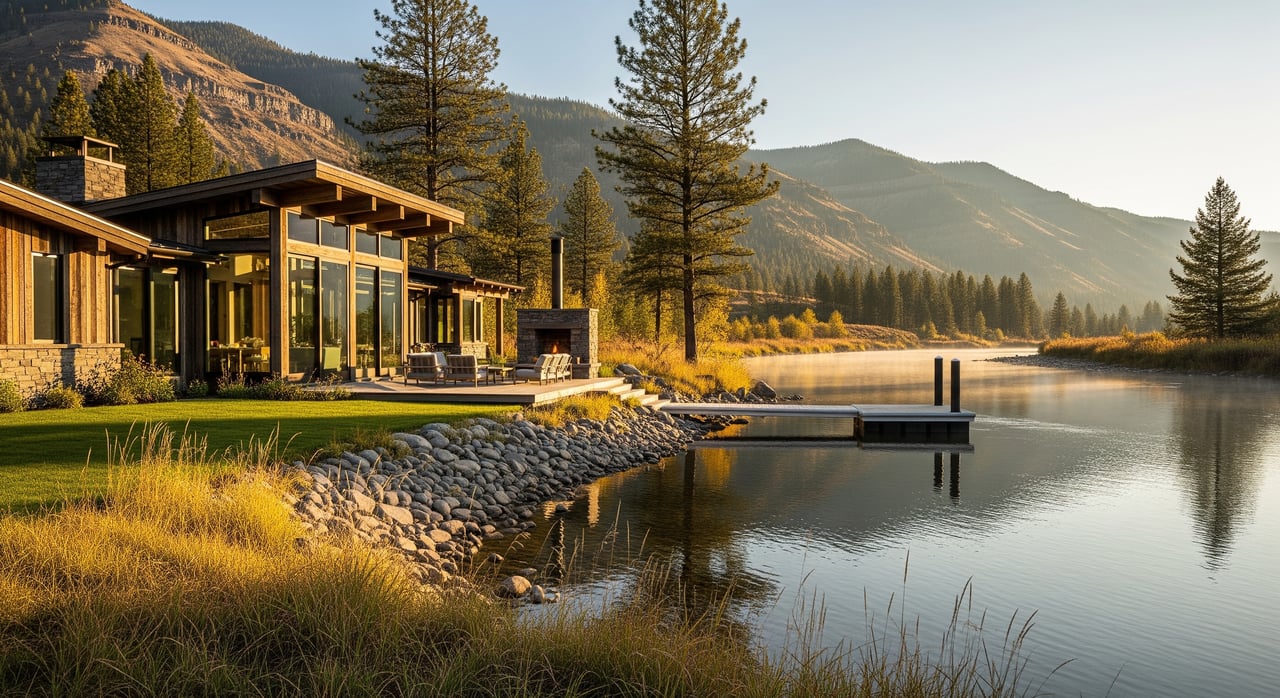
Experience Gallatin Canyon Lifestyle Living on the River
Do you picture morning light glinting off the Gallatin River, the sound of water outside your door, and easy access to Big Sky and Bozeman when you need it? If so, Gallatin Canyon in 59730 might be what you’re imagining. The canyon offers wild beauty, daily recreation, and a quieter pace, with real-world trade-offs around access, utilities, and seasonal conditions. In this guide, you’ll learn how life along the Gallatin actually works through the seasons, what to expect for travel and services, and the ownership details to know before you buy. Let’s dive in.
Gallatin Canyon is the river corridor that links the Gallatin Valley and Bozeman to the north with Big Sky to the south. It sits within Gallatin County, with a mix of national forest lands and private parcels along the river and valley floor. The setting feels close to wild country, which is a big part of its appeal.
US 191 is the primary maintained road through the canyon. It connects Bozeman, Big Sky, and the airport. The road is well maintained, but you should expect mountain weather and seasonal traffic patterns.
Winter storms, ice, and the occasional avalanche-control closure can slow travel. Summer weekends can bring heavier traffic near popular trailheads and river access points. Plan your schedule with some buffer, especially during peak seasons.
Life along the Gallatin changes with each season. The river, snowpack, and daylight shape your day-to-day.
From late March into June, snowmelt increases flows and can raise the river quickly. You wrap up winter recreation while early hiking and spring fishing begin. Access to higher-elevation trails can be patchy as snow lingers.
June through September brings warm days and long light. It is prime time for fishing, floating, rafting, hiking, and biking. You will see more visitors around popular access points and near Big Sky, but you also enjoy the best mix of dry weather and river access.
September through November is calmer for tourism. Wildlife is active, including elk and deer moving across the landscape. Weather cools quickly and early snowfall can start at higher elevations, which makes for beautiful days and earlier nights.
November through March brings quiet days and deep winter. Skiing, cross-country touring, and snowmobiling are close by. Travel can be slower, and some second-home owners use the season to visit less often or for planned winter stays.
The Gallatin River is a central part of life here. You can fly fish, wade, picnic by the water, or float suitable stretches.
Fishing is popular all season, with shifting conditions as flows change. Spring runoff brings higher, faster water. Late summer and early fall often provide lower flows that are easier for wading and calm float trips. Always match your plan to current conditions and experience level.
Montana’s Stream Access Law allows the public to use rivers up to the high-water mark where they are navigable. That means floating and fishing are generally public activities on the river itself. Access across private land to reach the river still requires a public access point or landowner permission. If you are considering a property with river frontage, map nearby public access points and understand how your property sits relative to those.
Gallatin National Forest surrounds much of the canyon. Public trailheads put hiking, hunting, dispersed camping, and alpine terrain within easy reach. Big Sky Resort serves as a year-round hub for skiing in winter and trail systems and summer activities. You can make day trips to Yellowstone and the West Yellowstone region for more destination recreation.
You will share the landscape with elk, deer, moose, black bears, and occasional activity from larger predators in the broader region. It is part of the canyon’s character and a responsibility for owners. Bear-safe garbage storage, careful pet management, and wildlife-friendly fencing and landscaping are common best practices.
Properties in the canyon range from riverfront cabins and renovated ranch homes to larger parcels near forest edges. There are also resort-area condos closer to Big Sky. Prices vary based on frontage, access, views, and distance to services. If you are exploring a purchase, focus on the fundamentals.
Many properties rely on private wells and septic systems. Permits, testing, and site suitability matter for both new construction and upgrades. Gallatin County and Montana DEQ rules apply, so plan for a clear review of records and compliance.
FEMA floodplain maps and local rules can limit building near the river. Riparian setbacks and erosion risks should be evaluated. Any significant bank work or channel modification may require permits from state or federal agencies, and coordination with local planners. Build your budget and timeline with those steps in mind.
Some subdivisions or resort-adjacent areas have HOAs with rules on use, design, and rentals. Rural parcels often do not. Either way, review covenants early so you understand what is allowed before you commit.
Riverbank erosion and spring high water can affect low-lying parcels. Wildfire risk exists where forest and brush meet homes, which is common in the wildland-urban interface. Steep slopes can present avalanche or rockfall concerns in specific pockets. Work with your insurance provider early to evaluate flood, wildfire, and remote-location coverage and costs.
US 191 is plowed and maintained throughout winter. Crews also conduct avalanche control in high-risk zones. Short closures can occur in extreme conditions, so keep flexible plans when major storms approach. Private driveways often require contracted plowing, which is an important cost to plan for if you are not here full time.
The canyon tends to fit buyers who value outdoor access and scenery, and who are comfortable with a more independent, plan-ahead lifestyle. If you want immediate river time, quick trail access, and a quieter home base that still reaches Big Sky and Bozeman within an hour, you will likely feel at home here.
If life along the Gallatin is calling, you deserve guidance that blends place knowledge with clear, practical advice. With more than 24 years in the Big Sky region, Ben offers a low-pressure, locally rooted approach backed by Sotheby’s marketing reach. For a grounded conversation about neighborhoods, access, and fit, connect with Ben Coleman for a Personal Market Consultation.
Stay up to date on the latest real estate trends.


Ben's knowledge of the Big Sky market and relationships built over time with the real estate community helps in every step of the process. Contact him today to discuss all your real estate needs!