Thinking about selling your Moonlight Basin home this winter? You are not alone. Many owners wonder if peak ski season is the smartest time to capture motivated buyers without disrupting rentals or winter plans. In this guide, you’ll learn the real pros and cons of winter listing in Moonlight Basin, how to minimize friction with showings, and a simple decision flow to choose the right timing for you. Let’s dive in.
Moonlight Basin winter buyer traffic
During ski season, Big Sky and Moonlight Basin draw a surge of out-of-area visitors. Many of these guests include second-home shoppers, investors focused on vacation rentals, and committed ski lovers who plan property tours around their trips. This seasonal presence can concentrate serious, well-qualified buyers who want to see homes in person and make decisions quickly. Access can be weather dependent, so showings and inspections sometimes require flexible schedules.
Pros of listing in ski season
- Higher in-person traffic. Buyers are physically here during winter, which can mean more showings and faster feedback on price and presentation.
- Strong buyer intent. Seasonal shoppers often arrive with clear goals, which can translate into motivated offers and a higher share of qualified or cash-ready buyers.
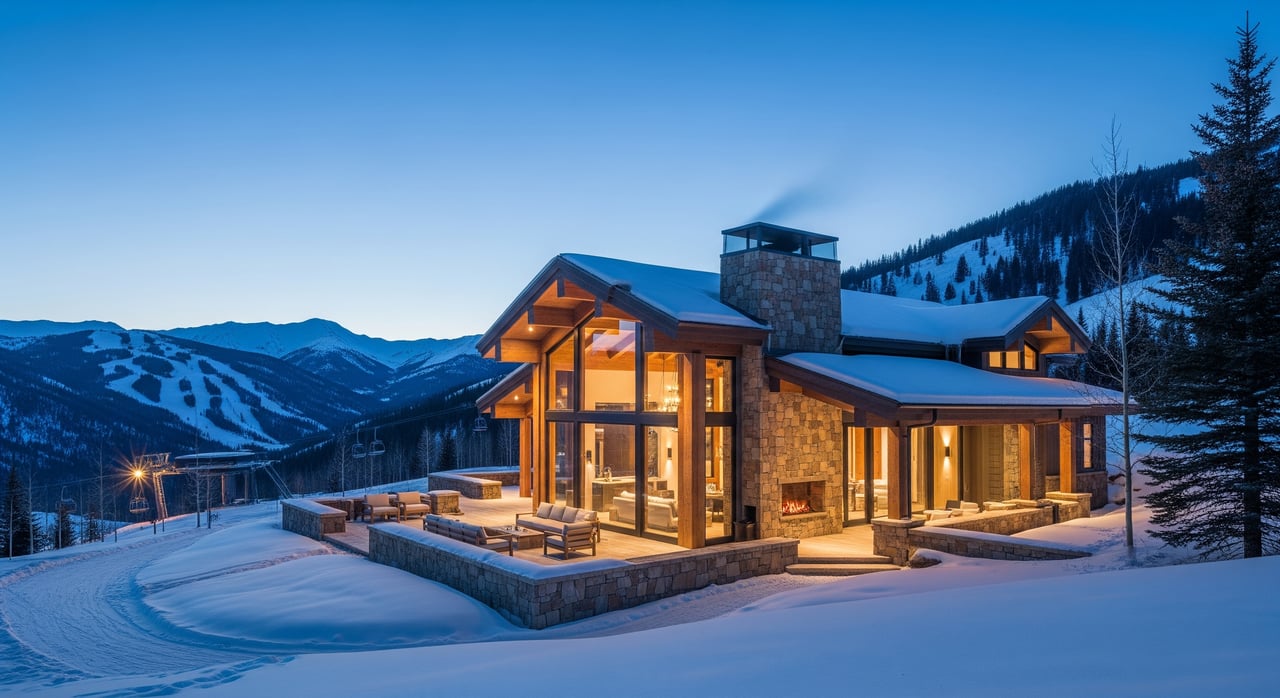
- Winter marketing halo. Snowy exteriors, evening glow, and proximity to lifts and trails can elevate your photos and video, especially for ski-in/ski-out homes.
- Rental story in your favor. If your home performs well in winter, recent occupancy and income can support pricing and give investors confidence.
- Potentially less competition. In some years, limited winter inventory helps well-prepared listings stand out.
Cons to plan around
- Weather and access. Snowstorms and icy roads can delay or cancel showings, inspections, and appraisals.
- Rental conflicts. Peak-season bookings limit showing windows and can reduce flexibility for inspections, which may affect offer strength or timing.
- Higher operating effort. You need reliable snow removal, warm interiors, and extra attention to utilities and lighting for evening showings.
- Appraisal sensitivity. Seasonal sales mixes can limit comparable data, which matters if the buyer is financing.
- Vendor and holiday constraints. Photographers, stagers, movers, title, and lenders may have premium rates or slower schedules in winter.
When winter listing makes sense
- Your calendar is flexible. The home is owner-occupied or has light winter bookings, making showings easy to schedule.
- The property shines in snow. Ski-in/ski-out, lift-adjacent, or slope-side views are your main selling points.
- It is move-in ready. Well-maintained homes that do not require extensive contractor work show best and close more smoothly.
- Timing matters. You value speed or want to leverage peak-season attention while buyers are on the mountain.
When waiting is smarter
- Heavy bookings. You are fully reserved through winter, and displacing guests would be costly or harm your rental reputation.
- Winter limits your prep. Major repairs or exterior projects cannot be completed until warmer months.
- Summer sells the lifestyle. Your best features are green-season views, outdoor living, or activities that show better without snow.
- Access is a concern. Driveway grade, snow load, or winter inspections could create friction or risk.
Hybrid strategies that work
- Preseason soft launch. Tease the market in late fall or early winter, then go live once you can prioritize showings.
- Virtual-first marketing. Invest in a 3D tour and strong winter photography so remote buyers can engage before an in-person visit.
- Timed exposure. List in early season, pause during peak bookings, then relist when showing windows open up.
- Defined showing windows. Batch showings between guest stays with clear access and parking instructions to protect your rental income.
Prep checklist for winter listings
Calendar and access
- Confirm rental dates, discuss blocked windows with your property manager, and set clear showing rules.
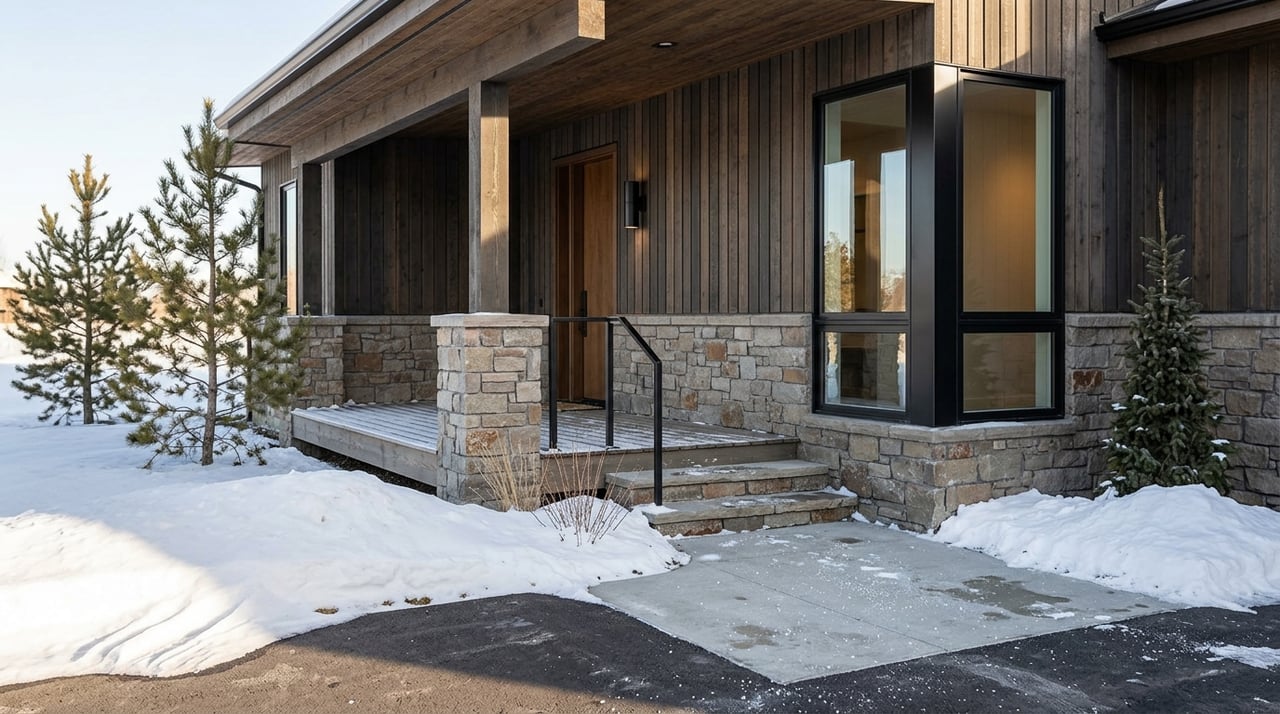
- Line up dependable snow removal for driveway, walkways, and entry. Place traction mats and check handrails.
Systems and comfort
- Test heating systems, water lines, and backup heat sources. Address any cold-weather maintenance items ahead of inspections.
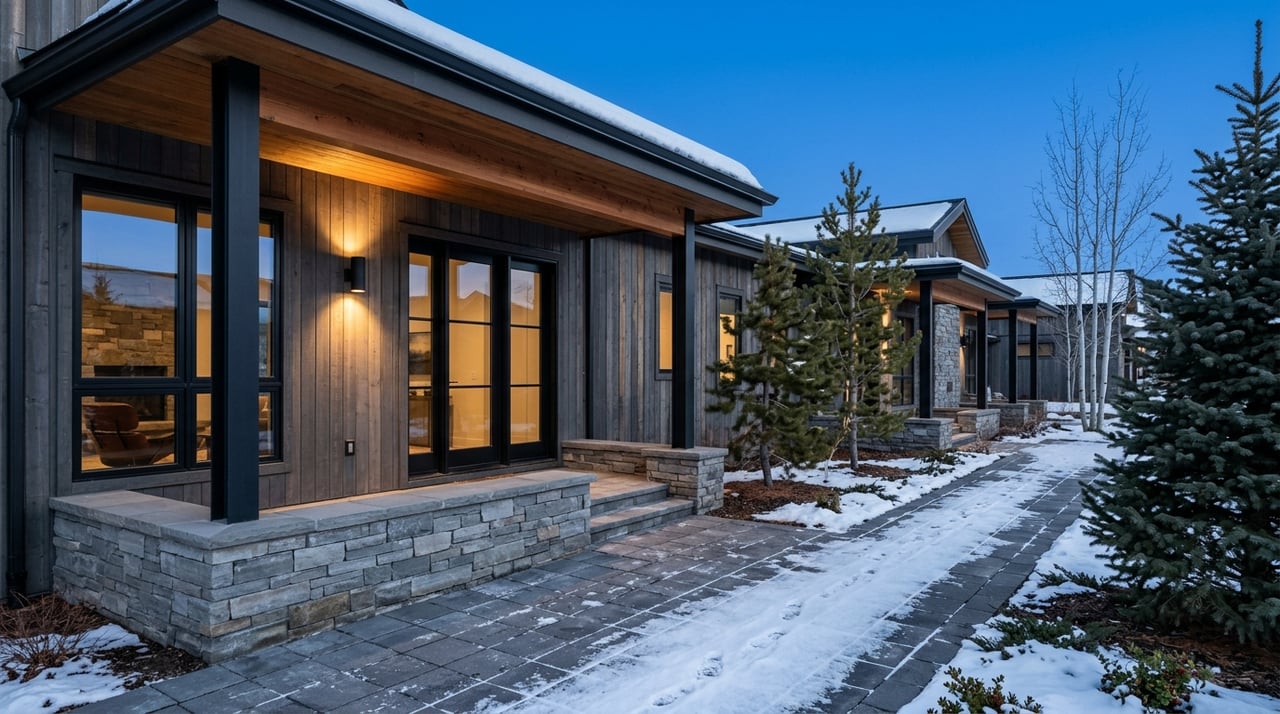
- Stage for warmth: set comfortable temperatures, organize gear storage, and add layered lighting for photos and evening showings.
Marketing readiness
- Schedule professional winter photography and a 3D virtual tour. Capture lift proximity, trail access, and community amenities.
- Prepare current rental and utility data. Buyers evaluating income and holding costs will ask for it.
Showing plan
- Provide parking and entry instructions, plus a weather contingency. Offer flexible windows to accommodate travel delays.
- Set expectations with guests or tenants about potential access needs and how you will minimize disruption.
Pricing, appraisal, and closing
Appraisals can be trickier in winter if recent comparable sales are limited or skewed toward certain property types. Support your value with a complete package that includes rental history, upcoming bookings, and high-quality comps. If a buyer is financing, a strong file helps reduce appraisal risk and renegotiation. For closing, plan around holiday schedules and travel logistics, and consider remote signing to keep the timeline on track.
Decision flow for timing
- Review your winter occupancy. If bookings are heavy and expensive to move, consider waiting or a hybrid approach.
- Assess winter strengths. If ski access and snow-season visuals are your top hooks, winter listing can be a strategic win.
- Check property readiness. If you need major work, aim for a warmer season or complete essentials before you list.
- Gauge your goals. If you prioritize speed and peak buyer presence, lean into ski season with a strong plan.
- Confirm market context. Align pricing with current inventory and recent sales to support value and appraisal.
Next steps
If you are weighing ski season versus spring, your best move is to align timing with your rental calendar, property readiness, and goals. A short strategy call can clarify your path, whether that is a full winter launch or a staged plan into spring. For local guidance and a tailored plan for Moonlight Basin, reach out to Ben Coleman.
FAQs
Will listing during ski season in Moonlight Basin increase exposure?
- Yes, winter brings more in-person shoppers to Moonlight Basin, which can mean stronger showing activity, though online visibility is steady year-round.
How do peak-season rentals in Big Sky affect showings?
- Heavy bookings limit access and flexibility, so you may need blocked dates, batched showings between stays, or a hybrid launch to protect rental income.
Are appraisals harder in winter for Moonlight Basin homes?
- Appraisal risk can rise if comparable sales are limited; share rental performance and recent comps to support your value, especially if a buyer is financing.
Can I negotiate post-season possession in a winter Big Sky sale?
- Yes, post-ski-season possession is common in resort markets and can help you honor rentals, though it may influence price or terms.
Are winter buyers in Moonlight Basin more likely to be cash buyers?
- Winter often brings a higher share of qualified or cash-ready second-home and investor buyers, though many still choose to finance.